How to prevent frozen pipes in Annapolis this winter
Annapolis winters freeze exposed pipes fast. Here's how to prevent frozen pipes in Annapolis MD with insulation, drip tactics, and safe thawing steps from local plumbers.
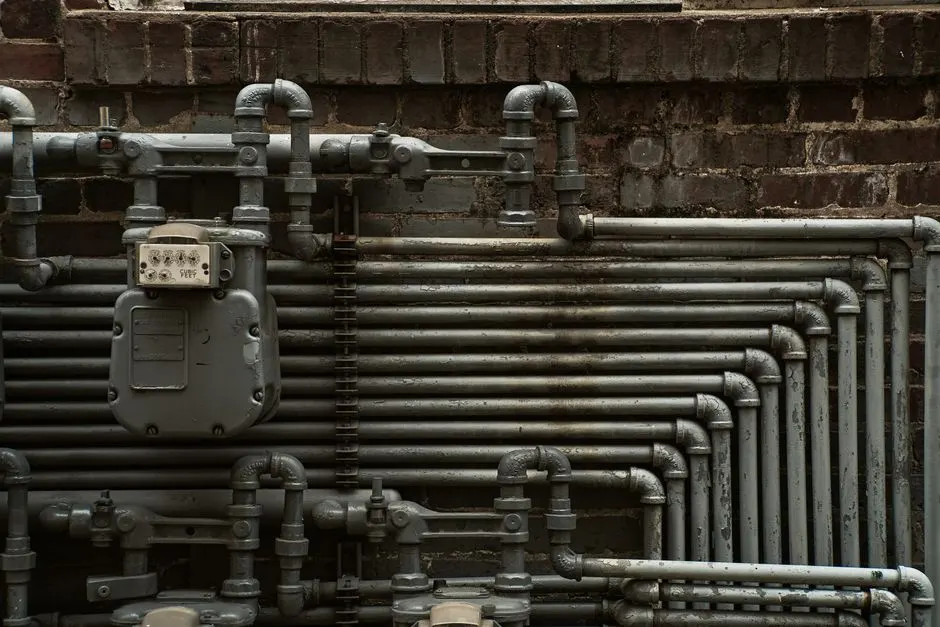
You prevent frozen pipes in Annapolis by keeping every exposed pipe above 32°F - insulate lines in crawlspaces and garages, drip faucets on exterior walls, open cabinet doors, and shut off and drain outdoor spigots before the first hard freeze. Annapolis winters swing hard between mild days and nights in the low 20s, and that swing is what bursts pipes.
We handle frozen and burst lines across the city every January and February. Below is the exact playbook we use on our own calls, from insulation specs to thawing steps, so you can keep your plumbing off our emergency list this season.
Why Annapolis pipes freeze so fast
Annapolis pipes freeze fast because the city sits on the Chesapeake Bay, where winter nights drop into the low 20s while daytime temps climb back near 45°F - and that repeated freeze-thaw cycle stresses the same pipes over and over. The Bay moderates the worst cold, but it also keeps the ground damp, and wet soil pulls heat out of buried lines faster than dry soil does.
Older housing stock makes it worse. Downtown and the Historic District are full of 1920s-to-1950s homes with uninsulated crawlspaces, pipes running along exterior walls, and hose bibs that were never frost-proof. We see the same pattern in Historic District Plumber Annapolis MD calls every winter: a supply line in a north-facing wall freezes while the rest of the house stays fine.
Newer construction in Parole and Annapolis Neck freezes less often, but it still happens when pipes run through an unheated garage ceiling or a bonus-room chase. The fix is the same either way: keep the pipe warm, or keep water moving.
What temperature do pipes freeze in Annapolis Maryland?
Pipes freeze at 32°F, but the real risk starts around 20°F for exposed lines and 28°F for pipes in unheated crawlspaces or exterior walls. Annapolis regularly hits 18-24°F on January nights, which is well inside the danger zone for anything uninsulated.
Wind matters as much as the number. A 20°F night with 15 mph wind off the Severn cools an exposed pipe the way still air at 10°F would. That's why a pipe in a drafty crawlspace can freeze on a night that feels mild above ground.
Duration matters too. A pipe at 28°F for two hours is usually fine. A pipe at 24°F for eight hours is where we get the calls. If the forecast shows three or more consecutive nights below 25°F, treat it as a freeze event and act before the first night.
How to prevent frozen pipes in Annapolis MD
Prevent frozen pipes in Annapolis MD by insulating every exposed line, sealing the drafts that cool them, and keeping a trickle of water moving through the pipes most likely to freeze. These are the six steps we walk homeowners through on a winterization visit.
- Insulate exposed pipes. Use closed-cell foam sleeves (½-inch wall minimum) on every line in the crawlspace, garage, attic, and along exterior walls. Tape the seams. Foam sleeves run about $2-$4 per six-foot section at any Annapolis hardware store - cheap insurance against a $600+ repair.
- Seal the drafts. Foam or caulk around pipe penetrations where lines pass through rim joists and exterior walls. A half-inch gap lets in enough cold air to freeze a line overnight.
- Drip the faucets. A pencil-lead-thin stream from the highest and farthest fixtures keeps water moving and relieves pressure. Yes, it adds a little to your water bill - roughly $3-$8 over a cold snap - and it's the cheapest freeze protection there is.
- Open cabinet doors. On nights below 25°F, open the doors under kitchen and bathroom sinks on exterior walls so warm room air reaches the pipes.
- Disconnect and drain hoses. Pull hoses off every spigot, then shut off and drain the interior valve feeding each outdoor bib. A hose left connected traps water in the bib and splits it.
- Keep the heat on. Hold the thermostat at 55°F or higher day and night during a cold snap, even if you're traveling. The few dollars you save by setting it back can cost you a flooded basement.
If you'd rather have it done right the first time, our team handles plumbing repair Annapolis MD and full winterization across the city - we'll insulate, seal, and tag the lines most at risk so you know exactly where to watch.
Winterize pipes Annapolis Maryland: a room-by-room checklist
Winterize pipes Annapolis Maryland homeowners ask about most often by starting in the crawlspace, then working outward to the garage, exterior walls, and outdoor spigots. Here's the order we use.
Crawlspace and basement
Insulate every supply line, then look for daylight coming through the foundation. Any gap you can see is a gap cold air can use. In Eastport, where a lot of homes sit on piers with open crawlspaces, we recommend a vent cover or rigid foam board on the windward side from December through March.
Garage and bonus room
Pipes running through an unheated garage ceiling are the single most common freeze point we find in Parole and West Annapolis. Wrap them in foam and, if the run is long, add a thermostatically controlled heat cable (about $40-$80 for a 12-foot run) plugged into a GFCI outlet.
Kitchen and baths on exterior walls
Open the cabinet doors on cold nights and let the room air in. If the wall itself is thin, a $15 space heater aimed at the cabinet base on low is enough on most Annapolis nights - just keep it away from anything flammable and never leave it running unattended overnight.
Outdoor spigots and irrigation
Disconnect hoses, shut the interior shutoff, and open the outdoor bib to drain it. If you have an irrigation system, blow it out with compressed air before the first hard freeze - usually by mid-December in Annapolis.
If you're heading out of town, our Eastport Plumber Annapolis MD crew can do a pre-travel walkthrough and set your system up so a cold snap doesn't surprise you while you're gone.
How do I thaw frozen pipes in Annapolis MD?
Thaw frozen pipes in Annapolis MD by shutting off the main valve, opening the nearest faucet, and warming the pipe from the end closest to the faucet toward the freeze point with a hair dryer, heat gun on low, or wrapped towels soaked in hot water. Never use an open flame, and never leave a space heater unattended.
Here's the sequence we follow on a thaw call:
- Shut off the main. If a pipe has already split, this stops the flood before you start thawing.
- Open the faucet. As the ice melts, water and steam need somewhere to go. Running water also helps melt the blockage from the inside.
- Warm from the faucet end. Work backward toward the freeze. Start at the fixture and move along the pipe so meltwater drains out rather than getting trapped.
- Watch for the split. If you see bulging, a pinhole spray, or water where it shouldn't be, stop and call us - that's a burst pipe repair Annapolis MD job, not a DIY thaw.
Most residential thaws take 30-90 minutes once we're on site. If the line is behind a finished wall, we use an infrared camera to find the freeze point before we open anything up - that's the same leak detection Annapolis MD equipment we use year-round for hidden leaks.
Common mistakes that lead to frozen pipe repair in Annapolis Maryland
The frozen pipe repair Annapolis Maryland calls we run most often trace back to five mistakes homeowners make every winter. Avoid these and you'll skip most of the emergency calls.
- Leaving a hose connected. Water trapped in the bib splits it on the first hard freeze. Disconnect every fall.
- Setting the thermostat back too far. 50°F is not enough in an older Annapolis home. Keep it at 55°F minimum during cold snaps.
- Closing off unused rooms. Shutting the door to a spare bedroom on an exterior wall cuts heat to the pipes inside that wall.
- Using a torch to thaw. Every year we see a house fire started this way. A hair dryer is slower and safer.
- Ignoring a trickle that stops. If a dripping faucet suddenly stops dripping on a cold night, the line behind it has frozen. Act now, before it splits.
One more: don't assume a newer home is safe. We've pulled frozen lines out of 2010s builds in Annapolis Neck where a builder ran a supply line through an uninsulated garage ceiling. Age is no guarantee.
When to call a professional
Call a professional when a faucet stops flowing on a cold night, when you see frost on a pipe, or when you find water where a pipe runs - those are the three signs a freeze has already happened. We handle emergency plumbing Annapolis MD calls 24 hours a day through the winter, and we can usually be at your door within the hour.
We also come out for prevention: insulating a crawlspace, sealing rim-joist gaps, installing heat cable, or doing a full winterization before you travel. If you've had a freeze before, we'll find the line that caused it and fix the cause, not just the symptom.
If you're dealing with a frozen or burst line right now, don't wait for it to thaw on its own. Call us, shut off the main if you can, and we'll take it from there.
Frequently Asked Questions
How do I prevent frozen pipes in Annapolis MD?
Insulate every exposed line, seal drafts around pipe penetrations, drip faucets on exterior walls, open cabinet doors on nights below 25°F, disconnect hoses, and keep the thermostat at 55°F or higher. Those six steps prevent most Annapolis freezes.
What temperature do pipes freeze in Annapolis Maryland?
Pipes freeze at 32°F, but exposed lines in Annapolis crawlspaces and garages are at real risk once the overnight low hits 20-24°F, which happens regularly in January and February. Wind and duration make it worse.
How do I thaw frozen pipes in Annapolis MD?
Shut off the main, open the nearest faucet, and warm the pipe from the faucet end toward the freeze with a hair dryer or hot towels. Never use a torch. Most thaws take 30-90 minutes with professional equipment.
Should I drip faucets to prevent freezing in Annapolis MD?
Yes. A pencil-lead-thin stream from the highest and farthest fixtures keeps water moving and relieves pressure during a cold snap. It adds roughly $3-$8 to your water bill over a few nights and is the cheapest freeze protection available.
How much does frozen pipe repair cost in Annapolis?
Typical 2026 pricing in this area runs $250-$600 for a thaw and $600-$1,800 for a split-pipe repair, depending on access and whether the line is behind a finished wall. Prevention costs a fraction of that.
Get help with Plumber Annapolis MD md in Annapolis
If a pipe is frozen, dripping where it shouldn't, or you want a winterization visit before the next cold snap, our team is ready. We handle frozen pipe repair and prevention across Annapolis and the surrounding neighborhoods, with upfront pricing before we start.
Call +1 (831) 293-1204 and we'll get a plumber to your door.